
HEALTH JOURNAL
Breakfast for Brain Health: Everyday Foods, Sensible Expectations
Build satisfying breakfasts with oats, fruit, vegetables, and protein foods, while keeping brain-health claims in perspective.

A good breakfast can be an ordinary meal: familiar food, a manageable amount of preparation, and enough variety to keep it enjoyable. You do not need a brain-boosting powder or a collection of expensive ingredients to start the morning with care.
This guide takes the interest in breakfast and brain health seriously while keeping the promises realistic. It offers practical food combinations, label-reading tips, and ways to prepare ahead. No single food guarantees better memory or prevents dementia, so the emphasis is on a repeatable eating pattern that works alongside the rest of your health routine.
What breakfast can, and cannot, do for brain health
It is reasonable to want meals that support your health. It is also easy for a list of brain foods to sound more certain than the evidence allows. The National Institute on Aging says research on eating patterns and cognitive health is still developing. No individual breakfast ingredient has been shown to prevent Alzheimer's disease or age-related cognitive decline. A bowl of berries can be enjoyable and nutritious without carrying a promise about your future memory.
Think of breakfast as one opportunity to build a varied eating pattern. Whole grains, fruit, vegetables, protein foods, and suitable dairy or fortified alternatives can appear in many combinations. You do not have to fit every group into every meal. Across the day, variety matters more than designing one supposedly perfect breakfast or buying a supplement with brain support on its label.
This distinction also takes pressure off ordinary choices. Frozen berries, store-brand oats, beans, eggs, and plain yogurt can all contribute to practical meals. The point is to put food you like within reach and make the morning manageable. That is a useful goal whether you are preparing for work, study, caregiving, or a quieter day at home.
Use a flexible three-part starting point
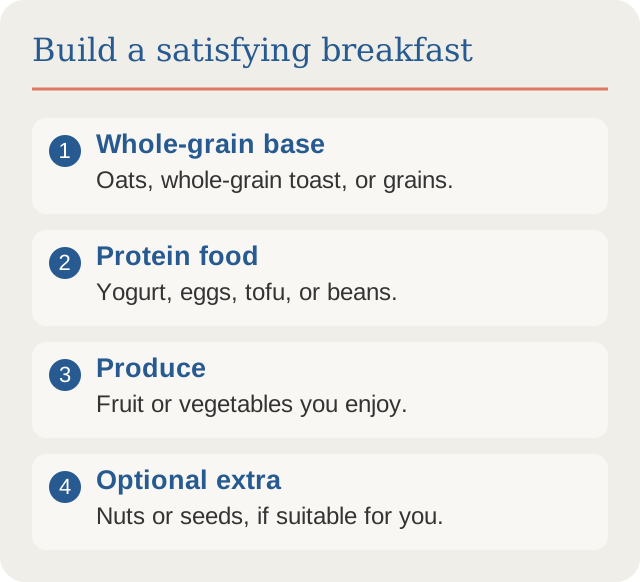
A simple breakfast starting point is a whole-grain or other familiar base, a protein food, and fruit or vegetables. Examples include oats with yogurt and fruit, whole-grain toast with an egg and tomatoes, or a tortilla with beans and cooked peppers. This is a kitchen shortcut rather than a medical rule. Adjust the amount and combination to your appetite, schedule, and health needs.
Choose foods that are easy to keep available. A pantry base such as oats or bread reduces the chance that you need to shop before you can eat. A reliable protein option, whether eggs, yogurt, tofu, or beans, gives you another building block. Fruit can be fresh or frozen; vegetables can be leftover from a safely stored dinner.
If three parts feel unrealistic on a rushed morning, start with two. Add the third when it is convenient or eat it later. A practical routine has room for imperfect days. The most useful breakfast formula is one you can repeat without turning the start of every morning into a complicated project.
Oats: a dependable base with many versions
Oats can be warm, cold, sweet, or savory. For a familiar bowl, cook them according to the package and add sliced banana or thawed berries. Stir in plain yogurt after cooking if you like that texture, or serve another protein food alongside. You can make breakfast feel different with cinnamon, a little nut butter, or another topping that fits your dietary needs.
Compare plain oats with flavored packets using the actual labels. Added sugar, sodium, and serving size may vary. Choosing plain gives you control over sweetness, but convenience matters too. If a packet is what makes breakfast possible, look for a version you enjoy and consider adding fruit or a protein partner rather than discarding the entire idea.
For a savory variation, top cooked oats with vegetables and an egg or tofu. This can suit people who do not want sweet food first thing in the morning. If you need strict gluten avoidance, choose oats labeled gluten-free and follow your clinician's advice. Their processing and suitability need attention even when the bowl looks simple. See NIDDK’s celiac disease food guidance for further context.
For more morning combinations, see our healthy breakfast ideas.
Fruit: make the easy choice visible
Keep fruit where it is easy to use. A bowl of apples or bananas, washed fruit in the refrigerator, or a bag of frozen berries can help breakfast come together quickly. You do not need a specific berry, exotic powder, or expensive seasonal ingredient. Pick varieties you enjoy and can afford, and rotate them when you want a change.
Add fruit to oats, yogurt, toast, or a breakfast side plate. Frozen fruit is especially useful when fresh produce often spoils before you use it. Follow the package instructions, including any cooking advice, rather than assuming every frozen product is ready to eat directly. Thaw a portion safely for the meal instead of leaving a large bag on the counter.
Try matching textures rather than chasing claims. Soft cooked fruit can be pleasant with oats; crisp apple slices work beside toast; berries can brighten plain yogurt. Those details make a meal appealing enough to repeat. Enjoy fruit for the flavor and variety it adds, without expecting it to repair a poor night's sleep or prevent a neurological condition.
Protein partners: eggs, beans, yogurt, or tofu
Breakfast protein does not have to mean a particular animal food. Eggs, plain yogurt, beans, tofu, nuts, and seeds can fit different preferences. Their nutrition varies, so they are not interchangeable in every respect. Pick a partner that you tolerate, enjoy, and can prepare safely. If you need a tailored protein target or have kidney disease, use your clinical guidance rather than a general meal formula.
For a savory option, scramble eggs or tofu with vegetables and serve with whole-grain toast. For a no-cook meal, pair suitable yogurt with fruit and oats. For something hearty, warm beans inside a tortilla and add cooked peppers or salsa. These are assembly ideas that can change with what is already in your kitchen.
USDA's protein foods guidance includes a range of animal and plant choices. That variety makes breakfast easier to adapt for households with different needs. When choosing plant-based yogurt or drinks, read the label because protein and fortification differ substantially among products. Dairy-free does not automatically mean nutritionally equivalent, and a product's name alone does not tell you what it contributes.
Nuts, seeds, and spreads: small additions with a job
Nuts and seeds can bring crunch and flavor to a bowl, while a suitable nut or seed butter can make toast more appealing. Use them as an addition that improves the meal rather than as an obligatory brain ingredient. A small sprinkle or spread may be enough for the texture you want. Choose according to appetite, allergies, and the rest of the breakfast.
Check ingredients in spreads and flavored mixes, particularly when comparing added sugar or sodium. If you enjoy sweetness, you can add it deliberately rather than accidentally layering sweetened yogurt, sweet cereal, and a sweet spread together. That is a way to understand the meal, not a demand that breakfast taste plain or joyless.
For a nut-free household, other suitable options may include seeds or a different protein partner, depending on the person's allergies. Do not assume a seed butter is safe for everyone. Whole nuts can also be a choking hazard for young children and some people with swallowing difficulties. Choose an appropriate texture and individualized guidance when needed.
Vegetables belong at breakfast, too
Vegetables are easier to include when breakfast is allowed to be savory. Add tomatoes to toast, cooked spinach to eggs, roasted vegetables to a grain bowl, or peppers to beans. You can use the same ingredients you already buy for lunch and dinner. There is no need to shop for a separate category of breakfast vegetables.
A practical approach is to prepare an extra portion with dinner and refrigerate it safely for the morning. Then breakfast becomes warming and assembling rather than starting a new recipe. Frozen vegetables can also reduce chopping and waste. Cook them according to the package and combine them with your preferred base and protein food.
If vegetables first thing do not appeal to you, use fruit at breakfast and enjoy vegetables elsewhere in the day. A healthy eating pattern has room for preferences. The aim is to create more opportunities for varied meals, not to turn one morning choice into a test of discipline. Start with an ingredient you already like and a meal that feels familiar.
Three breakfasts for different kinds of mornings
For a five-minute morning, try whole-grain toast, a suitable spread, and fruit, with yogurt or another protein food if it fits. Put the bread and bowl within easy reach the night before. The less you need to decide when you are tired, the more useful the meal becomes. A simple breakfast can be repeated often without being a failure of creativity.
For a morning with a little more time, make oats with fruit and a protein partner. Cook enough for the people eating and plan storage before making extra. A savory version with vegetables and an egg or tofu is another option. Choose one variation to learn first so you are not managing a new recipe on an already busy day.
For a late or leisurely breakfast, assemble a bowl with safely stored rice or quinoa, beans, cooked vegetables, and a favorite sauce. Breakfast does not need to look like cereal. Using familiar dinner ingredients can be especially useful for people who prefer warm savory food or share a kitchen with different schedules.
Our brown rice and quinoa guide can help you choose a base and plan for safe leftovers.
Prepare ahead without making a week's worth of obligations
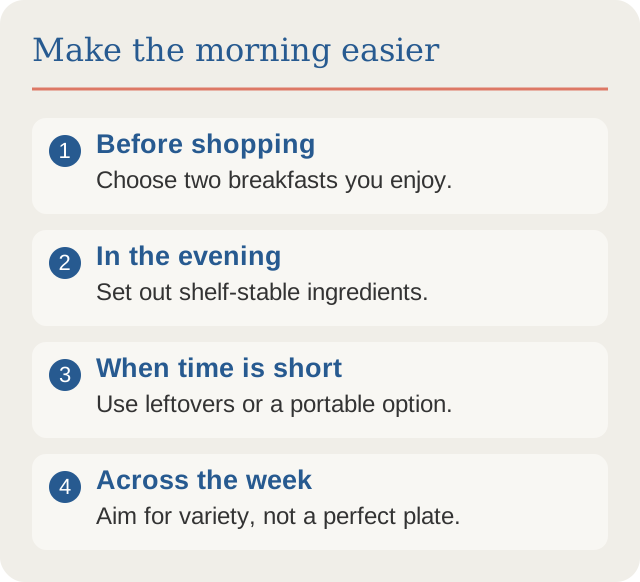
Pick one small preparation task that removes a real obstacle. Set out a bowl, portion dry oats, check that bread is available, or move a frozen item into the refrigerator when its directions allow. You do not need five decorated jars or a full Sunday cooking session. Preparation is valuable when it saves effort you will actually notice.
If you make overnight oats, use suitable ingredients, a clean container, and refrigeration. If you cook eggs, grains, or vegetables ahead, follow the appropriate storage guidance. Label portions with the date. Keep components separate when that preserves the texture you prefer, such as fruit away from crisp cereal until serving.
An honest plan includes your fallback breakfast. A shelf-stable pantry option or a convenient refrigerated choice can cover the day when the planned meal does not happen. This reduces waste and prevents meal preparation from becoming another source of stress. The routine should help you get fed, not require you to finish food you no longer want.
Keep transport and leftovers safe
Breakfast taken to work or school needs the same care as lunch. Yogurt, cooked eggs, prepared grain bowls, and other perishable foods should stay cold with appropriate refrigeration or an insulated bag and cold sources. Do not leave a prepared meal in a warm car while you run errands. Convenience works best when safe storage is part of the plan.
USDA's leftover food safety guidance advises refrigerating perishable leftovers within two hours, or one hour above 90°F, and keeping the refrigerator at 40°F or below. Its general leftover guidance is three to four days in the refrigerator. That window is a limit for safely handled food, not a promise for food left out too long. Follow any shorter package instructions.
When reheating leftovers, USDA recommends 165°F. Use a food thermometer rather than assuming steam proves the center is hot enough. Reheating does not fix unsafe handling. If you are unsure how long a meal has been warm, do not rely on its smell or appearance. A smaller, safely prepared breakfast is better than saving a questionable batch.
Read labels for the choice in front of you
Packaging can make ordinary food sound unusually powerful. Words such as focus, brain, natural, or superfood do not establish a medical benefit. Read the ingredient list and nutrition panel instead. Compare products using the same serving amount so a smaller stated portion does not make one option look artificially different from another.
For cereal, oats, bread, yogurt, and spreads, consider added sugar and sodium alongside the ingredients you want. Whole-grain wording should be supported by the ingredient list rather than the color of the food. A brown loaf or multigrain label does not by itself tell you how much whole grain it contains. USDA's whole-grain guidance offers practical ways to include whole-grain foods.
You can still choose a product for flavor, convenience, or price. Label reading helps you understand what you are buying, not sort every breakfast into good and bad categories. If one product is too expensive, choose another workable combination. A regular meal built from affordable basics is more useful than a specialty purchase that strains the grocery budget.
Make breakfast one part of a wider routine
The National Institute on Aging’s cognitive health guidance considers much more than food. Sleep, physical activity, medical care, hearing and vision, social connection, and management of conditions such as high blood pressure also deserve attention. Breakfast should support your day rather than distract from those other needs. A new meal is not a substitute for seeking help with persistent memory changes or other concerning symptoms.
Your schedule matters, too. If you do not feel hungry immediately after waking, plan when you can comfortably eat rather than forcing a large meal because of a headline. Follow individualized advice when medications, diabetes, pregnancy, or another situation affects meal timing. Children and adults may have different needs, so avoid imposing one routine on everyone in the household.
For the next week, choose two breakfasts you enjoy and keep their ingredients available. Notice whether the preparation fits your morning and whether the portion suits your appetite. Adjust one thing at a time. A dependable routine gives you fewer decisions to make and more chances to eat varied food, which is a worthwhile outcome without any promise of a sharper brain overnight.
If rest is difficult, our natural sleep helpers guide separates practical routine changes from problems that deserve professional support.
About this article
This original GHAC article was inspired by Health’s article on breakfast foods and brain health.
Information here is educational and does not replace personalized medical advice.
Frequently asked questions
What is the best breakfast for brain health?
There is no proven single best breakfast. A varied meal with familiar whole grains, a protein food, and fruit or vegetables is a practical starting point, adjusted to your needs.
Do blueberries prevent dementia?
No individual food has been shown to prevent Alzheimer’s disease or age-related cognitive decline. Berries can still be an enjoyable part of a varied eating pattern.
Can a savory breakfast work?
Yes. Beans with a tortilla, eggs or tofu with vegetables, or a suitable grain bowl can make breakfast without sweet flavors.
Are supplements necessary?
This breakfast guide does not require supplements. Discuss possible deficiencies or supplements with a clinician rather than relying on products marketed for brain health.
What if I am not hungry right after waking?
Plan a suitable opportunity to eat later if that works for you. Follow individualized advice when medicines, diabetes, or other health needs affect meal timing.
Keep the next step simple
Small, repeatable choices are often the ones that last. Explore the Health Blog for more everyday wellbeing reading, or visit the Fitness collection for apparel that celebrates movement in real life.
More everyday wellbeing reading

Food and Sleep: An Everyday Meal Planning Guide
Build a comfortable evening around regular meals, practical snack choices, and realistic expectations about foods promoted for sleep.
Read article →
Brown Rice vs. Quinoa: Choosing What Works for Your Meals
Compare brown rice and quinoa without the food rules, with practical advice on balanced meals, cooking, cost, blood sugar, and safe leftovers.
Read article →
Natural Sleep Helpers: Build a Calmer Night Without the Hype
A practical guide to affordable wind-down habits, the limits of sleep supplements, and when to seek support for ongoing insomnia.
Read article →