
HEALTH JOURNAL
Brown Rice vs. Quinoa: Choosing What Works for Your Meals
Compare brown rice and quinoa without the food rules, with practical advice on balanced meals, cooking, cost, blood sugar, and safe leftovers.

A pantry decision can quickly turn into a confusing nutrition debate. Brown rice and quinoa both have a place in everyday eating, and the better choice often depends on the meal, your preferences, and what you will actually cook. You do not need to replace a familiar staple to make a useful change.
This guide looks at the differences that matter in a real kitchen: texture, protein and fiber, meal balance, cooking effort, budget, and leftovers. It also puts blood sugar and rice safety concerns in context. The aim is to help you choose a dependable meal base, with room for both foods rather than a winner that everyone must eat.
Brown rice vs. quinoa at a glance
Scroll across to compare both grains.
| Consideration | Brown rice | Quinoa |
|---|---|---|
| Meal fit | A familiar base for stews, curries, and rice-centered dishes | Useful in mixed salads and warm bowls |
| Texture | Typically firm and chewy | Small seeds with a lighter texture |
| Protein and fiber | Provides both; build the whole meal with vegetables and a protein partner | Generally more in a similar cooked portion; still needs meal partners |
| Cooking | Follow the directions for the rice variety and format | Check whether rinsing is advised and follow package directions |
| Budget and convenience | Compare local prices, package sizes, and formats | Compare cost against how much you will actually use |
Start with the meal you want to make
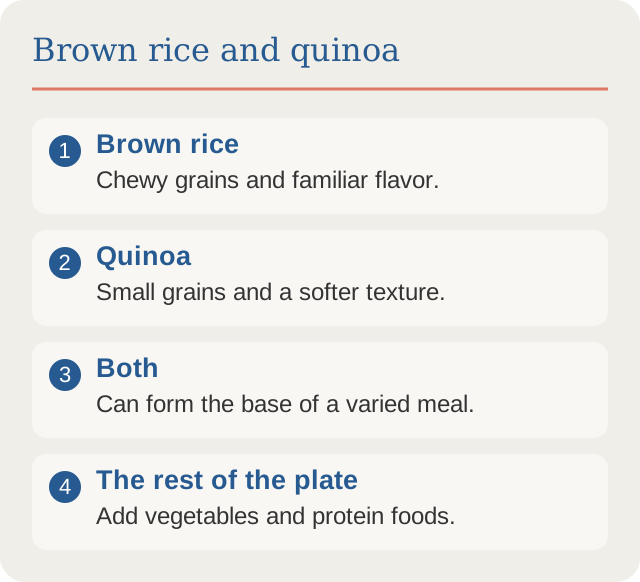
Brown rice and quinoa can both be useful foundations for a satisfying meal. The practical choice starts with the dish: a saucy bean stew, a cold lunch salad, a stir-fry, or a warm breakfast bowl. A grain that tastes good with the foods you already enjoy is more likely to become part of your regular routine. There is little benefit in buying an impressive ingredient that remains unopened because nobody wants to eat it.
For a familiar rice-based dinner, brown rice may be the easiest change. For a light salad with chopped vegetables and herbs, quinoa may be easier to fold through. Neither choice requires abandoning family recipes. You can keep the flavors, seasonings, and shared meals that matter to you while trying a different base occasionally. Think of this comparison as a way to expand your kitchen options rather than a contest that your favorite food has to win.
A helpful first experiment is to choose one recipe you already cook well. Make it once with your usual rice and once with quinoa, keeping the other ingredients similar. Notice the texture, cooking effort, leftovers, and cost. Those observations tell you something a nutrition headline cannot: which food works in your actual household.
What the two foods have in common
Brown rice is a whole grain. Quinoa is a seed that is commonly prepared and served like a grain. Both can sit comfortably alongside vegetables, beans, eggs, fish, poultry, or tofu. Plain versions give you a flexible starting point because you control the seasoning and the rest of the meal. They are not complete dinners by themselves, and a large bowl of either does not automatically provide everything you need.
The useful overlap is greater than the difference in reputation. Both are shelf-stable before cooking, both can be prepared in batches, and both work in savory dishes. You can build a bowl around either without buying unusual equipment. A pot with a lid, a way to measure water, and a little practice are enough to begin. If convenience is the deciding factor, plain frozen or ready-to-heat options can also help.
USDA's whole-grain guidance recommends including whole grains as part of a varied eating pattern. That broader approach is more useful than treating a single ingredient as essential. Brown rice, quinoa, oats, whole-wheat bread, and other choices can take turns across the week. Variety gives you different flavors and more ways to enjoy everyday meals.
Protein and fiber: useful differences, realistic expectations
MedlinePlus’s quinoa nutrition guide notes that quinoa provides more protein and fiber than brown rice. Compare similar cooked portions when choosing between products. That is a useful distinction, particularly when you are looking for another ingredient to add to a plant-based meal. It does not mean quinoa should be the only protein source on the plate. Add beans, lentils, tofu, eggs, or another protein food you enjoy, and let the grain remain one part of the overall dish.
Nutrition comparisons become confusing when one label describes dry food and another describes cooked food. Water changes the weight and volume during cooking. A small amount of dry grain becomes a larger amount of cooked grain, so the numbers cannot be compared directly without checking the serving description. Flavored products can also contain different amounts of oil, sodium, or other ingredients. Read the actual package rather than assuming every bag has identical nutrition.
If fiber is your priority, look beyond the grain swap. Stirring beans into brown rice, adding vegetables to quinoa, or serving fruit alongside lunch can change the meal in useful ways. Increase fiber gradually if a sudden increase makes you uncomfortable. The goal is a combination you can enjoy consistently, not the largest possible number on one nutrition label.
For more protein partners, explore our everyday high-protein food ideas.
Blood sugar depends on more than the grain
Brown rice and quinoa both contain carbohydrate. Choosing either does not make a meal carbohydrate-free, and neither guarantees a particular blood sugar reading. The amount you eat, what you eat with it, and your individual circumstances matter. Someone using insulin or another glucose-lowering medicine may need a meal plan that accounts for timing and portions as well as food preferences.
The CDC guide to diabetes meal planning explains that carbohydrates eaten with protein, fat, or fiber can raise blood sugar more slowly. Its plate method places nonstarchy vegetables on half the plate, a protein food on a quarter, and carbohydrate foods on the remaining quarter. This is a practical starting picture, not a prescription for every person or every meal. Your care team can help adapt it when you have diabetes or other medical needs.
For a real-world example, compare two bowls rather than two grains in isolation. One bowl is mostly rice with a little sauce. Another has rice, beans, cabbage, peppers, and a protein food. The second changes several aspects of the meal without requiring you to replace rice at all. A quinoa bowl also benefits from vegetables and a protein partner. Keep prescribed monitoring and medicines in place when experimenting with meals.
Portion size without turning dinner into a calculation
A useful portion is one that fits the whole meal and your appetite. There is no single grain serving that every adult should eat at every meal. Your activity, other foods, and health needs affect the amount that makes sense. Starting with a moderate scoop leaves room for vegetables and protein, and you can adjust according to your needs rather than treating the bowl's size as a target.
When comparing packages, use the stated serving size consistently. For meal planning, decide whether you are measuring before or after cooking, then follow that convention. A kitchen measuring cup can be helpful while you learn how much your household uses, but you do not need to weigh every dinner indefinitely. If your medical plan includes carbohydrate counting, the label and your clinician's guidance take priority over a general article.
At a restaurant, a rice bowl may contain much more grain than you would serve at home. You can ask for vegetables, share a portion, or save some food promptly for another meal. The same applies to quinoa salads, which sometimes arrive with generous dressing, cheese, or nuts. Their ingredients can be enjoyable, but the name of the grain tells you very little about the total serving.
Texture and flavor can decide the winner
Brown rice usually offers a firmer, chewier texture than white rice, while quinoa has small, distinct seeds that can feel lighter in a mixed dish. Preferences vary, and preparation makes a difference. If your first attempt is too firm or too wet, that is a cooking problem to troubleshoot rather than proof that you dislike the ingredient. Start with the package directions and change one thing at a time.
Brown rice can work well under a stew or curry because its texture remains noticeable against a substantial sauce. Quinoa can be pleasant in a chopped salad because it spreads between vegetables rather than forming larger separate grains. These are suggestions, not rules. A warm quinoa bowl or a cold brown rice salad can be just as appealing when the flavors suit your taste.
Try seasoning through the whole dish. Lemon, herbs, garlic, a little olive oil, toasted spices, or a spoonful of a favorite sauce can make an unfamiliar base feel familiar. Keep salty sauces adjustable rather than adding several at once. If a household includes different preferences, serve toppings separately. One pot can then become several meals without requiring everyone to like the same texture or level of seasoning.
Cook brown rice with a simple feedback loop
Read the directions for the particular rice you buy. Long-grain, short-grain, quick-cooking, and frozen products are different enough that a single water ratio or cooking time will not serve all of them well. Use the same pot and measuring method for your first few attempts. A consistent starting point makes it easier to tell whether the result needs more time, a little less water, or a short rest after cooking.
While rice cooks, prepare the ingredients that will turn it into a meal. Chop vegetables, warm beans, or assemble a dressing. This makes the cooking time productive rather than feeling like an extra task. A rice cooker can be convenient if you already own one, but buying another appliance is not a requirement. The best method is the one you can repeat safely and comfortably.
When the rice is done, taste a little before serving. If it is still firm and the water has disappeared, follow the package's troubleshooting guidance rather than cranking up the heat and hoping. If it is wetter than you prefer, note that for next time. Write a brief reminder on the package or in your recipe notes. Small adjustments teach you more than repeatedly switching products and starting over.
Cook quinoa for the dish you have planned
Check whether the quinoa is labeled pre-rinsed and follow the package directions. If it calls for rinsing, use a fine-mesh strainer so the small seeds do not disappear into the sink. Rinsing can help with bitterness from the seed's coating, but it is not a food safety treatment. Cooking instructions, storage, and clean handling still matter. Plain quinoa is a useful first purchase because you can judge its flavor before adding a seasoning blend.
Cook the amount you actually expect to use. For a warm bowl, serve it with the other ingredients once it is ready. For a cold salad, cool and refrigerate it safely before combining it with chilled ingredients. Do not leave a large pot on the counter for hours while you wait for the perfect salad temperature. A shallow container helps you manage leftovers more easily.
Quinoa can become mushy if you repeatedly add extra liquid or cook it far beyond the directions. After cooking, a rest and gentle fluffing may improve the texture, depending on the product's instructions. If you plan to mix it with juicy tomatoes or dressing, avoid treating it like a soup beforehand. Your goal is a base that holds its place in the finished dish.
Build a brown rice meal that feels complete
Begin with a familiar combination: brown rice, black beans, sautéed peppers, and a cabbage topping. Add a protein food if the beans are only a small part of the bowl, and choose seasonings you already enjoy. A little salsa or lime can bring the ingredients together. This is an everyday assembly idea, not a fixed recipe, so amounts can match your appetite and household needs.
For another direction, serve rice beside roasted vegetables and fish or tofu. Keep the vegetables generous enough to be a meaningful part of the meal rather than a garnish. Use a sauce you like, but taste before adding more salt. If you need a quicker dinner, frozen vegetables and a plain ready-to-heat rice pouch can reduce the number of steps without changing the basic idea.
A family meal does not need identical bowls. Someone may prefer the rice under everything, another may like it on the side, and someone else may want extra beans. Offering the main components separately can make a balanced meal easier to share. It also leaves you with flexible leftovers instead of one large mixed dish that nobody wants twice. The most useful improvement is often a better combination, not a dramatic replacement.
Our guide to eating more vegetables offers easy additions for bowls, sides, and shared meals.
Build a quinoa meal you will want again
For a cold lunch, combine safely cooled quinoa with chickpeas, cucumber, tomatoes, chopped herbs, and a lemon dressing. Keep crunchy ingredients separate until serving if you prefer them fresh. Add a suitable protein partner or more chickpeas according to the rest of the meal. The flavors should be pleasant enough that you would choose the bowl even without a health claim attached to it.
For a warm dinner, try quinoa with roasted carrots, greens, and an egg or tofu. A spoonful of tahini dressing can pull the textures together, but sesame is an allergen, so choose another sauce when needed. You can make the same idea with brown rice. This is a helpful way to compare the bases without redesigning the entire dinner or shopping list.
If plain quinoa feels too unfamiliar, start with a small amount beside something you already love. It can be a side dish rather than the center of a meal. Another option is to cook rice and quinoa separately and mix them after cooking. That lets you experiment with texture while respecting their different directions. There is no need to hide ingredients from other diners or frame the change as a test of their willingness to eat well.
Cost, convenience, and food waste belong in the comparison
Compare the price per amount of food you will actually use, not only the sticker price. A larger bag may be economical when it is a familiar staple, but less useful when you are trying an ingredient for the first time. A small package lets you test your preference without a large commitment. Local prices vary, so brown rice is not automatically cheaper in every store or every format.
Time also has value. Plain frozen grains, quick-cooking products, and microwave pouches can make a meal possible on a busy evening. Check the ingredient list and sodium when choosing a flavored version, and compare like with like. A convenient product that helps you make dinner may serve you better than a less expensive dry bag that never gets cooked. Convenience is a practical tool, not a moral failure.
Before buying more, look at what is already in the cupboard. Plan one meal that uses an opened package and write the next use into your week. If you often throw away cooked grains, prepare smaller batches or freeze suitable portions promptly. Food that gets eaten is a better investment than a theoretically superior option that is wasted. The winner can change with your schedule, budget, and kitchen confidence.
Gluten-free needs: plain ingredients still require checks
Plain brown rice and plain quinoa are naturally gluten-free. However, seasoning mixes, shared equipment, and added ingredients can change what reaches your plate. If you have celiac disease or need strict gluten avoidance, look for an appropriate gluten-free label and follow advice from your healthcare team. Do not assume a restaurant bowl is safe simply because its base is rice or quinoa. NIDDK’s celiac disease food guidance explains naturally gluten-free foods and the checks that still matter.
Ask about broth, sauces, toppings, and preparation surfaces when eating away from home. At home, keep utensils and storage practices consistent with your household's needs. A jar of sauce that has been used with a wheat-containing meal can be a concern for someone requiring strict avoidance. The grain comparison does not replace those checks, and swapping rice for quinoa does not solve cross-contact elsewhere in the recipe.
Food allergies need their own attention as well. A grain bowl might include sesame dressing, nuts, dairy, eggs, soy, or fish. Choose alternatives according to the people eating the meal, rather than following a recipe exactly. When cooking for someone else, ask about their requirements instead of guessing. A welcoming meal is one that people can comfortably eat, with ingredients and preparation described honestly.
Arsenic concerns: choose variety rather than panic
Rice can absorb arsenic from its growing environment. The FDA guidance on arsenic says rice can still be part of a balanced diet and emphasizes eating a variety of foods. This is a reason to rotate grains, not a reason to label every rice meal dangerous. A varied week might include rice, quinoa, oats, corn, or another grain that fits your dietary needs and the dishes you enjoy.
Rinsing rice is not a reliable way to remove arsenic. FDA discusses cooking rice in excess water and draining it as one possible approach, while also noting nutrient tradeoffs for certain enriched rice products. If you want to use that method, follow the agency's guidance rather than treating an internet shortcut as a guarantee. Concerns involving infants, a highly restricted diet, or private well water deserve more specific advice than this general comparison.
For most household meal planning, the simplest useful action is to avoid making one food your only staple. Variety can be affordable and culturally flexible: keep favorite rice dishes and add other meals you already like. There is no need to purchase expensive detox products or supplements. If fear about contaminants is making it difficult to eat, bring the concern to a qualified clinician or registered dietitian for context and a practical plan.
Store leftovers safely, whichever base you choose
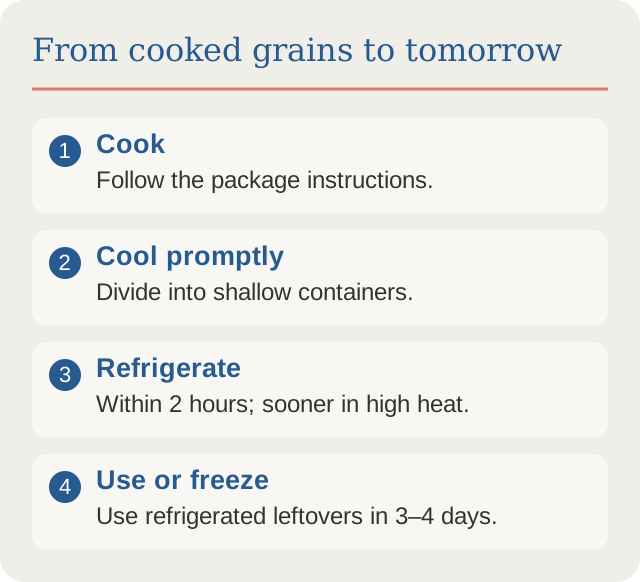
Cooked grains need prompt, safe storage. USDA's leftover food safety guidance advises refrigerating perishable leftovers within two hours, or within one hour when temperatures are above 90°F. Divide a large batch into shallow containers rather than leaving a deep pot to sit out. Keep the refrigerator at 40°F or below. The cooling plan belongs in meal preparation from the start, especially when you are cooking extra for the week.
USDA recommends using refrigerated leftovers within three to four days and reheating them to 165°F. Freeze portions you will not use in that window. Label containers with the date so you do not have to remember which batch is which. Reheating is not a way to rescue food that was handled unsafely, and smell alone cannot establish that a leftover is safe to eat.
If you pack a grain salad for lunch, keep it cold during travel and at work using refrigeration or an insulated bag with cold sources. Consider every ingredient in the meal, not just the grain. A bowl containing cooked vegetables, eggs, meat, or dairy does not become shelf-stable because it also contains quinoa. Good storage protects the time and money you invested in the meal as well as your health.
A three-meal experiment instead of a permanent rule
Choose three meals that reflect how you actually eat. For the first, keep a familiar brown rice dinner and improve the balance with vegetables and a protein partner. For the second, try a small quinoa salad with ingredients already on your shopping list. For the third, use the remaining grain in a warm bowl, soup accompaniment, or other dish you genuinely want. This makes the comparison concrete without committing to a new identity or eating plan.
After each meal, record a few ordinary observations: Did you enjoy the texture? Was preparation manageable? Did the ingredients fit the budget? Did you have a sensible plan for leftovers? If you monitor blood sugar under medical guidance, follow that plan rather than interpreting one reading as proof that a grain is good or bad. A meal can vary from day to day even when the recipe looks similar.
At the end, choose the option that earned a place in your kitchen. It may be brown rice most weeks and quinoa sometimes. It may be both, or another whole grain entirely. An experiment that teaches you what works is successful even when you decide against the fashionable choice. Your routine should become easier and more enjoyable, not more full of rules.
Make the decision fit your priorities
Choose brown rice when you want a familiar base for rice-centered dishes, enjoy its chew, and find it practical to buy and cook. Choose quinoa when you like its texture, want variety, or prefer it in a mixed salad. Use either when it helps you put together a meal with vegetables and a protein food. Neither ingredient needs to carry the whole responsibility for healthy eating.
If your priority is a medical goal, such as managing diabetes, a grain comparison is only one small part of the plan. Work with your care team on portions, medicines, monitoring, and the rest of your eating pattern. If your priority is making dinner happen on a crowded evening, convenience and familiarity deserve real weight. A workable meal today is more valuable than a perfect plan that never reaches the table.
Keep one repeatable combination for each grain you enjoy, and let the rest of the week stay flexible. You might remember rice with beans and peppers, quinoa with chickpeas and herbs, and oats at breakfast. That is enough variety to begin exploring without buying an entire aisle of specialty foods. The aim is a kitchen with more useful options and fewer decisions that feel unnecessarily difficult.
About this article
This original GHAC article was inspired by Health’s brown rice and quinoa comparison.
Information here is educational and does not replace personalized medical advice.
Frequently asked questions
Is quinoa always healthier than brown rice?
No. Quinoa generally offers more protein and fiber in a similar cooked portion, but meal balance, portions, preferences, and cost also matter. Both can belong in a varied eating pattern.
Can I eat brown rice if I have diabetes?
Often, yes, within an individualized meal plan. Brown rice contains carbohydrate, so portions and the other foods in the meal matter. Follow your care team’s advice rather than assuming any grain guarantees a particular reading.
Can I mix rice and quinoa?
Yes. Cook them separately according to their package instructions, then combine them. Their cooking needs may differ.
Are they both gluten-free?
Plain rice and quinoa are naturally gluten-free. People requiring strict avoidance still need to check labeling, added ingredients, and cross-contact.
How long can cooked grains stay in the refrigerator?
USDA’s general guidance is three to four days for safely refrigerated leftovers. Refrigerate promptly, keep the refrigerator at 40°F or below, and freeze portions you will not use in time.
Keep the next step simple
Small, repeatable choices are often the ones that last. Explore the Health Blog for more everyday wellbeing reading, or visit the Fitness collection for apparel that celebrates movement in real life.
More everyday wellbeing reading

Food and Sleep: An Everyday Meal Planning Guide
Build a comfortable evening around regular meals, practical snack choices, and realistic expectations about foods promoted for sleep.
Read article →
Breakfast for Brain Health: Everyday Foods, Sensible Expectations
Build satisfying breakfasts with oats, fruit, vegetables, and protein foods, while keeping brain-health claims in perspective.
Read article →
Natural Sleep Helpers: Build a Calmer Night Without the Hype
A practical guide to affordable wind-down habits, the limits of sleep supplements, and when to seek support for ongoing insomnia.
Read article →