
HEALTH JOURNAL
Food and Sleep: An Everyday Meal Planning Guide
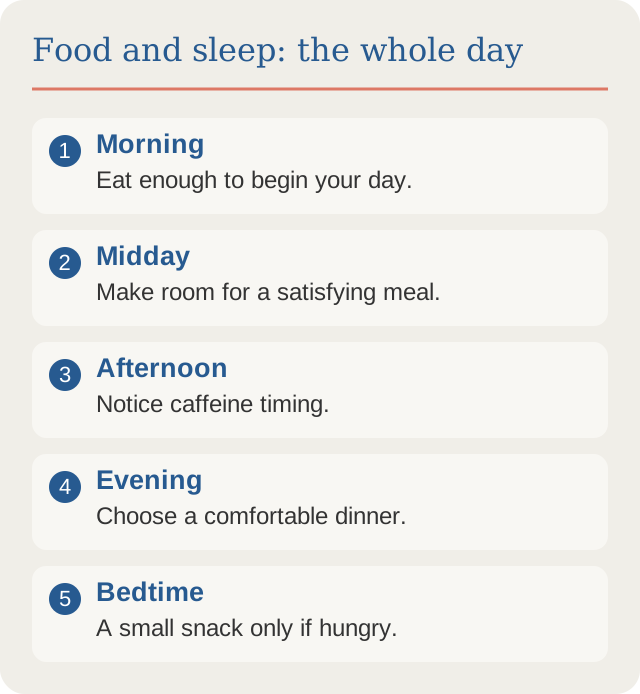
Build a comfortable evening around regular meals, practical snack choices, and realistic expectations about foods promoted for sleep.

A good evening meal does not have to earn its place by promising better sleep. It can simply feed you well, fit your schedule, and leave you comfortable when it is time to rest. That is a more useful starting point than trying to find the one ingredient that will switch off a busy mind.
Foods promoted for sleep often come with exciting claims about minerals, hormones, or special compounds. Here, we take a wider view: what you eat throughout the day, how evening meals fit your life, and how to make choices without turning dinner into another wellness assignment.
Start with comfort, not a sleep-food ranking
Imagine two evenings. On the first, dinner is rushed and you finish a large plate immediately before lying down. On the second, you have enough time to eat, stop when comfortably satisfied, and enjoy a quiet transition afterward. The difference is not necessarily a rare ingredient. It may be the amount of food, the pace, and the room your schedule leaves around the meal.
Comfort is personal. One person likes warm oatmeal in the evening, another prefers toast, and someone else does not want any food after dinner. Choose according to appetite, preferences, allergies, budget, and medical needs. A sleep-friendly plan should not require ignoring hunger or eating something you dislike because a headline calls it essential.
Treat dinner as nourishment rather than a test. There is no score for selecting the most fashionable grain or the most photographed bowl of berries. A familiar meal that you can afford and prepare repeatedly is often a better practical choice than an elaborate routine that adds stress.
If you would like a shorter companion read, explore our bedtime snack ideas. Use that list for inspiration, then return to your own appetite and preferences. This guide focuses on the larger pattern around food and rest rather than selecting a winning snack.
Separate a nutrient story from a proven sleep benefit
A food may contain a nutrient involved in normal body functions without acting like a treatment when you eat it. That distinction matters when a snack is advertised as a way to improve sleep. Knowing something about a food’s composition is not the same as knowing that a particular serving reliably changes someone’s night.
Ask three questions when you encounter a claim: was the research actually conducted in people, did it study the ordinary food or a concentrated product, and was the finding consistent enough to guide everyday decisions? You do not need to become a researcher. These questions simply create a pause before you spend money or add a new rule.
For example, you can enjoy nuts, fruit, or a bowl of oats because they taste good and fit your eating pattern. You do not need to expect them to behave like a sleep medication. If a food leaves you comfortable but you are still awake, that does not mean you prepared it incorrectly or failed at healthy eating.
Look earlier in the day before changing bedtime
An evening appetite can make more sense when you look at the whole day. Perhaps lunch was interrupted, the afternoon was unusually busy, or dinner happened much earlier than usual. Instead of treating late hunger as a bad habit, ask whether your daytime meals are meeting your practical needs.
Build a simple backup into the busiest part of your day. That might mean leftovers packed before you leave home, a sandwich assembled the night before, or a pantry meal you can make without starting from scratch. These are organizational ideas, not a prescribed eating schedule. The useful question is whether you have a realistic way to feed yourself when plans change.
If you care for other people, your own meal can quietly become the last item on the list. Set aside a portion while preparing theirs, or keep one easy option where you will see it. A dependable lunch will not guarantee sleep, but it can make evening decisions less rushed and reduce the need to build an entire meal when you are already tired.
For morning planning, try our balanced breakfast guide; its simple combinations can also help you prepare for a busy day.
Make dinner satisfying without making it complicated
Try a flexible plate rather than a strict recipe: a food you find satisfying, something from the produce drawer or freezer, and a grain or other familiar staple. Rice with beans and vegetables, a baked potato with a topping you enjoy, or eggs with toast and a side of greens can all fit an ordinary dinner. Cultural foods belong here too.
Preparation can be modest. Frozen vegetables, canned beans, leftover cooked grains, and store-bought components can help you put together a meal on a difficult day. Read labels where they matter to your individual needs, but do not assume a convenient ingredient makes the meal less worthy. An achievable plan should work on a busy Wednesday as well as a quiet weekend.
If dinner routinely feels too heavy, try adjusting one detail: the portion you serve first, the speed at which you eat, or how close the meal lands to your sleep period. Leave room to notice what changes. Changing five details at once makes it harder to understand which one helped and can turn a simple adjustment into an unnecessary project.
If you are choosing a meal base, our brown rice and quinoa comparison explores texture, budget, and cooking.
Use a snack to answer hunger, not to force sleep
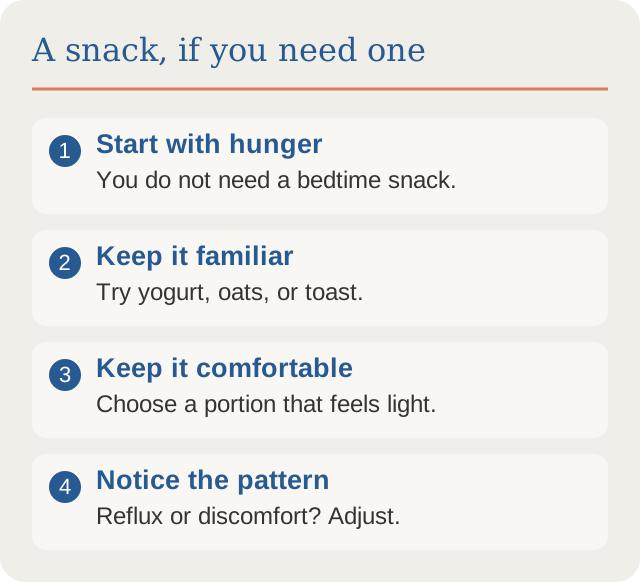
If you are hungry after dinner, start with something small and familiar. A slice of toast with a spread you tolerate, plain yogurt with fruit, a little oatmeal, or crackers with hummus are possibilities. These are everyday examples, not a ranking of foods by sedative power. You can choose an equivalent that suits your kitchen and your eating preferences.
Keep the task easy enough for the end of the day. Put a bowl on the counter, portion what you want, and sit down to eat rather than opening several packages while scrolling. You can have more if you remain hungry. The point is to make a deliberate, comfortable choice, not to impose a fixed serving on everyone.
If you are not hungry, skip the snack. An article about sleep does not create a nutritional obligation. The NHLBI’s healthy sleep guidance allows for a light snack while advising against large meals close to bed. It does not ask everyone to add a special nighttime food.
Choose between common evening options
Oats work well when you want something warm that uses pantry staples. Prepare them in the way you normally enjoy, using water, milk, or an appropriate alternative. Fruit can add flavor without requiring a second recipe. Make a smaller bowl than you would for a full breakfast if you only want a snack, and adjust according to appetite.
Yogurt may be convenient when you prefer a cool option. Choose a version you enjoy and tolerate, and check the product’s ingredients if you have an allergy or a dietary restriction. A dairy-free product may fit your preferences, but products differ, so let the label and your needs guide the choice rather than assuming every alternative is identical.
Fruit and nuts can also be convenient, but neither is required. If nuts are unsuitable, consider a tolerated seed spread or another familiar food. Do not introduce an unfamiliar ingredient simply because it is marketed for sleep. Keeping the evening uncomplicated is particularly useful when your household already manages food allergies or several different preferences.
Give drinks the same attention as food
An evening drink can be part of a pleasant routine, but check what is actually in the cup. Coffee, caffeinated tea, energy drinks, and some other products may contribute caffeine. If sleep is difficult, consider moving the caffeinated option earlier rather than assuming dinner must be the problem. Decaffeinated does not necessarily mean completely caffeine-free.
You can make the ritual enjoyable without buying a sleep product. Use a favorite cup, choose a familiar caffeine-free drink you tolerate, or simply have water. Herbal products are not automatically suitable for everyone, particularly when medications or health conditions are involved. A comforting flavor and a medically effective sleep aid are different things.
Alcohol is also a poor basis for a bedtime routine. NHLBI’s insomnia treatment guidance notes that it can make sleep lighter and more interrupted even when it initially feels relaxing. Keep that distinction in mind when a drink seems to help you wind down. Feeling sleepy at first does not tell the whole story about the night.
Plan around reflux and other personal needs
If lying down after food brings burning discomfort or regurgitation, meal timing deserves individual attention. NIDDK’s reflux guidance explains that eating at least three hours before lying down may help people with nighttime symptoms. It also notes that triggers vary. A food that bothers someone else may not be a problem for you.
For a late schedule, consider a more substantial meal earlier and a smaller option after work, if that arrangement feels realistic. This is a planning example, not a substitute for clinical advice. People managing diabetes, digestive conditions, pregnancy-related symptoms, or medicines with food instructions should keep their individualized guidance ahead of general internet tips.
Write down the specific issue you want help with before an appointment. “I feel hungry at bedtime” is different from “I wake with reflux after late meals” or “I feel shaky overnight.” A clear description helps a professional address the actual problem instead of leaving you with a generic list of foods to avoid.
Try a gentle one-week kitchen experiment
Pick one practical question for the week. Perhaps you want to know whether an earlier dinner feels more comfortable, whether a planned afternoon snack makes evening hunger easier to manage, or whether moving coffee earlier fits your day. Keep the rest of the routine reasonably familiar so your experiment remains easy to interpret.
Use a short note rather than an elaborate tracker. Record what you changed and whether the evening felt comfortable. You can also note an unusual shift, a stressful day, or a disrupted household routine. One good night or one bad night is not proof that a food caused it. You are gathering useful observations, not conducting a clinical trial.
At the end of the week, keep the change only if it is helpful and sustainable. A plan that requires costly juice, several supplements, or a long cooking ritual may not be worth maintaining. You are allowed to favor simple food and a quieter evening over an impressive-looking wellness routine.
Know when a food plan is not enough
Persistent difficulty sleeping, loud snoring, waking while gasping, or daytime sleepiness that affects safety deserves professional attention. Bring up the sleep problem directly instead of waiting until you have tried every suggested snack. Food can remain part of a caring daily routine while the underlying issue receives appropriate assessment.
For ongoing insomnia, NHLBI describes cognitive behavioral therapy for insomnia, or CBT-I as a usual first treatment option. It is structured care, not simply a reminder to eat well or turn down the lights. Asking about it can be more useful than continuing to search for a perfect bedtime ingredient.
Tonight, a reasonable next step is enough: eat a meal that works for you, address hunger if it appears, and leave space for rest. You do not need to win a contest for the healthiest evening. A flexible plan makes room for your body, your responsibilities, and the fact that sleep does not always follow instructions.
About this article
This original GHAC article was inspired by Verywell Mind’s guide to foods and sleep.
Information here is educational and does not replace personalized medical advice.
Frequently asked questions
What food will make me fall asleep quickly?
No everyday food reliably makes everyone fall asleep quickly. A comfortable meal or small snack can address hunger, but persistent sleep problems deserve assessment rather than a special-food prescription.
Do I have to eat a bedtime snack?
No. If you are comfortably satisfied, there is no need to add food for a promised sleep benefit. If you are hungry, choose something familiar that fits your needs.
Is tart cherry juice necessary for better sleep?
No. It is an optional food, not an essential sleep aid or a substitute for insomnia treatment. Consider taste, cost, sugar content, and any personal dietary advice before adding it.
Can I still drink coffee?
Many people enjoy coffee. Consider when and how much you drink, especially if evenings feel wired. Caffeine also appears in tea, energy drinks, and some other products.
What if eating late is unavoidable?
Plan for your actual schedule. Having part of your meal earlier and a smaller meal later may be more comfortable. People managing reflux or another condition should follow personalized advice.
Keep the next step simple
Small, repeatable choices are often the ones that last. Explore the Health Blog for more everyday wellbeing reading, or visit the Fitness collection for apparel that celebrates movement in real life.
More everyday wellbeing reading

Brown Rice vs. Quinoa: Choosing What Works for Your Meals
Compare brown rice and quinoa without the food rules, with practical advice on balanced meals, cooking, cost, blood sugar, and safe leftovers.
Read article →
Breakfast for Brain Health: Everyday Foods, Sensible Expectations
Build satisfying breakfasts with oats, fruit, vegetables, and protein foods, while keeping brain-health claims in perspective.
Read article →
Natural Sleep Helpers: Build a Calmer Night Without the Hype
A practical guide to affordable wind-down habits, the limits of sleep supplements, and when to seek support for ongoing insomnia.
Read article →