
HEALTH JOURNAL
Greek vs. Regular Yogurt: Protein, Cultures, and Choice
Compare Greek and regular yogurt for protein, live cultures, sugar, and everyday meals. A simple guide to choosing the tub that works for you.

Greek yogurt and regular yogurt can both earn a place in your refrigerator. Greek yogurt usually offers more protein in the same amount, while regular yogurt has a looser texture that works well in bowls and smoothies. Neither needs to win every breakfast.
Compare the products you actually buy: check serving size, protein, added sugars, and calcium, then consider taste and price. There is room for either type, depending on how you like to eat and what works for your household.
What makes Greek yogurt different?
Both begin with milk and cultures. Greek yogurt goes through extra separation of liquid whey, which makes the result thicker and concentrates protein. Cornell Cooperative Extension’s explanation of yogurt processing describes why removing more liquid changes both texture and protein concentration.
That makes Greek yogurt useful when you want a thick spoonful or a dip that stays on a vegetable stick. Regular yogurt is easier to stir into oats or pour into a smoothie. Different brands use different recipes, so texture alone cannot tell you the protein content. Read the label rather than assuming every Greek-style tub is identical.
Compare the same amount before comparing protein
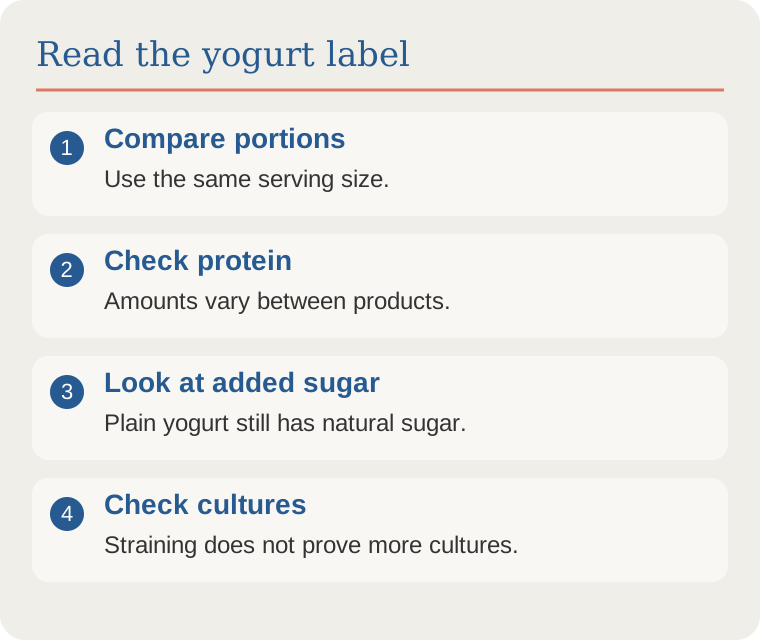
One container may be much smaller than another. Compare the same weight, such as the grams listed beside the serving size, before deciding which yogurt offers more protein. Also compare similar products: plain with plain and similar fat levels where possible. A dessert-style cup and a plain breakfast tub answer different needs.
Protein is only one part of the decision. Look at calcium, saturated fat, and any vitamin D listed too. Choose according to your wider eating pattern and any individual advice you follow. You do not need to maximize every nutrient in one snack or replace a familiar yogurt simply because another product has a larger protein number.
Live cultures do not make one type an automatic winner
You cannot rank probiotic benefits by the word Greek on the front. The NIH Office of Dietary Supplements explains that fermented foods do not necessarily contain probiotics with demonstrated benefits. Those effects depend on the particular microorganisms and suitable amounts, rather than a general promise of better gut health.
Check the package for culture information. Yogurt treated after culturing to inactivate microorganisms must say it does not contain live and active cultures under FDA yogurt labeling rules. A live-culture statement can help identify what is present, but it is not proof that the yogurt treats a digestive condition. Neither Greek nor regular yogurt is a substitute for care when symptoms persist.
Separate milk sugar from added sweeteners
Plain dairy yogurt can list total sugars even when no sugar was added. The FDA’s added-sugars guidance distinguishes naturally occurring milk sugar from sugars added during processing. Check the added sugars line alongside total sugars instead of treating every gram as an added sweetener.
If you enjoy a sweeter bowl, try plain yogurt with fruit and see whether you like it. Or choose a flavored version that fits your preferences and needs. Honey and syrup still contribute added sugars; they do not stop counting because you add them at home. The aim is to understand your usual bowl, not make breakfast joyless.
If dairy causes discomfort
Tolerance varies. NIDDK’s lactose intolerance guidance notes that some people find yogurt easier to tolerate than other milk products, and lactose-free products can be useful. Greek yogurt is not automatically lactose-free. Check the product and follow individual advice rather than assuming a thicker texture means symptoms cannot happen.
Milk allergy is a different issue. Lactose-free dairy still contains milk proteins and is not a suitable workaround for a milk allergy. If you choose plant-based yogurt, compare its protein and calcium information too, because the ingredients and fortification vary. Seek help with unexplained or ongoing digestive symptoms instead of repeatedly switching tubs.
Choose one easy use for the week
Try Greek yogurt with cucumber and herbs as a dip, or use regular yogurt with oats and fruit for breakfast. Either can work beside a meal or as a snack. Buy an amount you can finish, keep it refrigerated as directed, and compare cost against how much your household will actually eat.
At Good Health Apparel Company, we make room for everyday choices that feel manageable. Our Health Blog offers more practical ideas for meals and movement. Start with a yogurt you enjoy and a use that fits your day. Consistency does not require choosing the same type forever.
For more morning ideas, our healthy breakfast guide offers easy combinations beyond a single food.
About this article
This original GHAC article was inspired by Health.com’s comparison of Greek and regular yogurt.
Information here is educational and does not replace personalized medical advice.
Frequently asked questions
Does Greek yogurt always have more protein?
It usually provides more in a comparable amount, but recipes differ. Compare the protein listed for the same weight of each product rather than comparing differently sized containers.
Which yogurt is better for probiotics?
The words Greek and regular do not establish a winner. Look for culture information, and remember that demonstrated benefits depend on specific microorganisms and suitable amounts.
Does plain yogurt contain sugar?
Plain dairy yogurt can contain naturally occurring milk sugar without added sweeteners. The added sugars line helps distinguish the two.
Is Greek yogurt lactose-free?
Not necessarily. Choose a product labeled lactose-free if that is what you need. Lactose-free dairy is still unsuitable for someone with a milk allergy.
Keep the next step simple
Small, repeatable choices are often the ones that last. Explore the Health Blog for more everyday wellbeing reading, or visit the Fitness collection for apparel that celebrates movement in real life.
More everyday wellbeing reading

Ultra-Processed Foods: A Practical Everyday Guide
Understand ultra-processed foods, what research can and cannot tell us, and simple ways to make everyday meals work better for you.
Read article →
Lower-Sugar Fruits: Simple Choices for Everyday Eating
Enjoy fruit without turning it into a food rule. Explore lower-sugar choices, easy snack ideas, and what matters beyond sugar alone.
Read article →
Mediterranean Fall Meals: Simple Ideas for Cooler Days
Bring Mediterranean-style eating into fall with easy meals, affordable pantry swaps, seasonal produce, and a manageable shopping plan.
Read article →