
HEALTH JOURNAL
Lower-Sugar Fruits: Simple Choices for Everyday Eating
Enjoy fruit without turning it into a food rule. Explore lower-sugar choices, easy snack ideas, and what matters beyond sugar alone.

Fruit can be sweet, refreshing, and easy to enjoy. If you are looking for choices with less naturally occurring sugar, there are plenty of options. But choosing fruit does not need to become a ranking system where one berry is good and a banana is bad.
A useful starting point is to consider the portion, the form of the fruit, and how it fits into your day. This guide offers a few easy ideas for snacks and meals, with room for the fruit you already like. For more food comparisons, explore our Health Blog.
Start with what “sugar” means
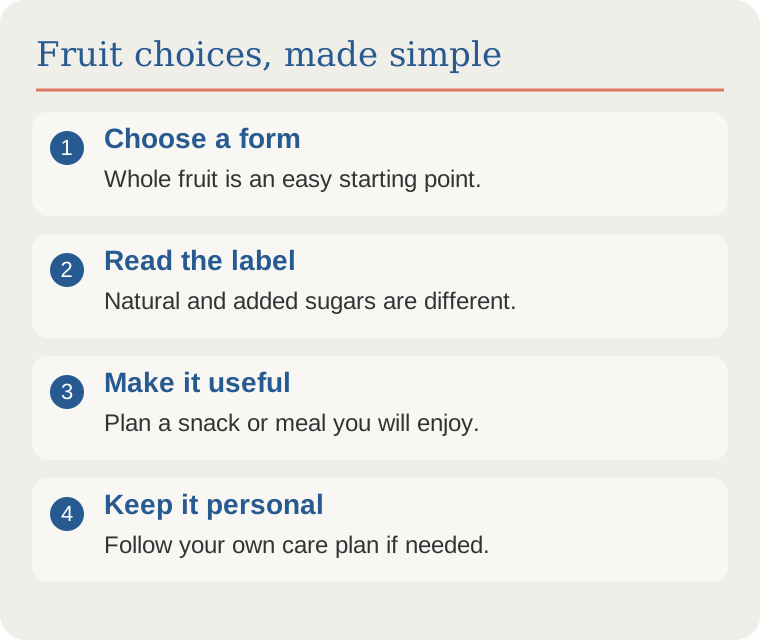
The sugar in a whole piece of fruit is naturally present. That is different from sugar added to a fruit drink or sweetened snack. The FDA explains total and added sugars separately: total sugars includes both naturally occurring and added sugars, while the added-sugars line tells you what was added during processing.
When you buy packaged fruit, look at the ingredients as well as the nutrition label. Unsweetened frozen fruit can be convenient. A sweetened dried-fruit mix may serve a different role in your meals. You do not have to ban either, but they are not interchangeable portions.
A few lower-sugar fruits to try
Raspberries, strawberries, and blackberries are useful options to put on your shopping list. Kiwi and plums offer other flavors and textures. Lemon and lime can add brightness to a dish, although they are usually ingredients rather than a snack on their own. These are examples, not a complete list or a prescription.
For a practical experiment, buy one familiar fruit and one you use less often. Try berries with breakfast, slice a plum beside lunch, or squeeze lime over a bean salad. If fresh berries are costly or spoil before you finish them, a bag of unsweetened frozen berries may fit your household better.
Whole fruit and juice do different jobs
Juice is easy to drink quickly, and a glass can contain juice from several pieces of fruit. The CDC recommends choosing whole fruit instead of juice to retain fiber and help manage carbohydrate portions. A fruit-flavored drink may also contain added sugar, so check what is actually in the bottle.
If you enjoy juice, this does not need to be an all-or-nothing decision. Notice whether it is replacing water, accompanying a meal, or becoming a large drink you refill without thinking. A bowl of fruit and a glass of water give you a different eating experience from drinking the fruit.
Make the snack work for your day
Fruit can be eaten alone or paired with another food. Try strawberries with plain yogurt, a sliced kiwi beside whole-grain toast, or a plum with a small handful of nuts if nuts are suitable for you. The purpose is to make a snack you enjoy and find satisfying, not to follow a mandatory pairing rule.
Breakfast can stay simple too: spoon thawed berries over oats or add fruit beside eggs. For a fuller look at a grain-based meal, see our brown rice and quinoa guide. The rest of your meal matters more than finding one perfect ingredient.
Keep individual needs in view
Lower sugar does not mean that a fruit cannot affect blood glucose. If you manage diabetes, use your own care plan to decide portions and consider total carbohydrate, not only the sugar number. A clinician or registered dietitian can help you interpret your personal response without unnecessarily removing foods you enjoy.
Grapefruit also needs a separate check. The FDA warns that grapefruit can interact with some medicines, and this applies to the fruit as well as its juice. Ask your pharmacist about your specific medication before making it a regular choice.
Choose one easy change this week
Before shopping, choose two ways you will use the fruit: perhaps berries at breakfast and a piece of fruit with lunch. Buy an amount you are likely to finish. Keep a frozen option available for the days fresh produce runs out.
At GHAC, everyday wellbeing is about choices that fit real life. Our Health Blog shares practical food and movement ideas, while our apparel collections offer ways to share the messages that matter to you. Start with the food you like, keep the next step manageable, and leave room for variety.
About this article
This original GHAC article was inspired by Health.com’s guide to lower-sugar fruits.
Information here is educational and does not replace personalized medical advice.
Frequently asked questions
Do I need to avoid sweeter fruit?
No. A fruit with more natural sugar can still fit into a varied diet. Portion size, the rest of the meal, and your personal needs matter. A lower-sugar list is a set of options, not a list of forbidden foods.
Are frozen berries a useful option?
Yes. Unsweetened frozen berries are a practical way to keep fruit available. Check the ingredients for added sweeteners and follow package preparation instructions.
Does “no added sugar” mean sugar-free?
No. Fruit naturally contains sugar. A product without added sugar can still contain natural sugar and carbohydrate, so read the full label if you are tracking either.
Can lower-sugar fruit prevent blood sugar spikes?
No fruit can guarantee a particular blood glucose response. Your portion, total meal, medication, and individual response all matter. Use personalized advice if you manage diabetes.
Keep the next step simple
Small, repeatable choices are often the ones that last. Explore the Health Blog for more everyday wellbeing reading, or visit the Fitness collection for apparel that celebrates movement in real life.
More everyday wellbeing reading

Ultra-Processed Foods: A Practical Everyday Guide
Understand ultra-processed foods, what research can and cannot tell us, and simple ways to make everyday meals work better for you.
Read article →
Mediterranean Fall Meals: Simple Ideas for Cooler Days
Bring Mediterranean-style eating into fall with easy meals, affordable pantry swaps, seasonal produce, and a manageable shopping plan.
Read article →
Greek vs. Regular Yogurt: Protein, Cultures, and Choice
Compare Greek and regular yogurt for protein, live cultures, sugar, and everyday meals. A simple guide to choosing the tub that works for you.
Read article →