
HEALTH JOURNAL
Mediterranean Fall Meals: Simple Ideas for Cooler Days
Bring Mediterranean-style eating into fall with easy meals, affordable pantry swaps, seasonal produce, and a manageable shopping plan.

Cooler days can make a warm bowl of beans, vegetables, and grains more appealing than another cold salad. Mediterranean-style eating has room for both. You can carry its familiar ingredients into fall without buying specialty foods or learning a new set of recipes.
Start with what you enjoy and what fits your budget. A few familiar ingredients can become warm, satisfying meals, with room for leftovers and the foods your household already likes.
Keep the pattern, change the season
The American Heart Association’s Mediterranean diet guide emphasizes vegetables, fruit, beans, whole grains, nuts, and olive oil, with room for fish, poultry, eggs, and dairy. The point is the overall eating pattern, rather than one ingredient with special powers.
For fall, think warm grain bowls, vegetable soups, bean dishes, and fruit with breakfast. The AHA’s seasonal produce guide includes apples, pears, Brussels sprouts, and winter squash among fall choices. Availability and prices vary locally, so let the produce aisle help shape the menu.
There is no need to label every meal Mediterranean or replace the foods your family already enjoys. Use the pattern as a source of ideas. A familiar soup with added beans and vegetables may be a more comfortable starting point than an entirely new dinner.
A garlic-and-bean bowl for a busy evening
Warm cooked white beans with a little olive oil, garlic, and chopped greens. Add a splash of water or lower-sodium broth to keep the mixture moist. Serve with whole-grain toast or a grain you already have, and finish with lemon juice or vinegar if you enjoy a brighter flavor.
Use Swiss chard when it is available, or swap in frozen spinach. Jarred artichoke hearts can add another texture, but they are optional. Compare sodium on packaged ingredients, and taste before adding salt. For a different base, our brown rice and quinoa guide explores both options.
A roasted-vegetable bowl with room for leftovers
Cook squash, carrots, or another vegetable you like until tender, following a dependable recipe or package directions. Combine with cooked chickpeas and a whole grain. A simple dressing of olive oil, lemon, and herbs gives the components a shared flavor without a long ingredient list.
Keep the pieces separate when storing them so the next meal can feel different. Vegetables and chickpeas can become a warm wrap filling or accompany eggs. These combinations are flexible meal ideas: adjust portions and ingredients to your appetite, allergies, and any individual nutrition advice.
Fruit belongs at breakfast, too
Try chopped apple or pear with oatmeal and plain yogurt. Fresh figs are another option when available and affordable. You can enjoy fruit without turning it into a dessert project or adding a sweetened topping.
For a savory lunch, pair fruit with whole-grain toast, hummus, and vegetables. Nuts or seeds can add crunch when suitable for everyone eating. Choose a combination that satisfies you rather than expecting fruit alone to carry the whole meal.
Make the affordable version first
USDA’s produce planning guide recommends using a mix of fresh, frozen, and canned options, considering seasonal prices, and checking labels for sodium and added sugars. A seasonal eating plan does not require a farmers market visit every week.
Before shopping, choose two meals that share ingredients. A bag of greens might serve a bean skillet and a pasta dinner; apples can cover breakfast and snacks. Buy the amount you expect to use. A larger bargain is less useful if half ends up discarded.
You can also choose one seasoning direction rather than buying several new jars. Garlic and dried herbs work with beans, vegetables, and grains. Keep expensive extras optional: a small amount of olives or artichokes can be a flavor accent, while beans remain the main ingredient. If olive oil is already in your cupboard, use it in the meal rather than purchasing a special bottle for one dinner.
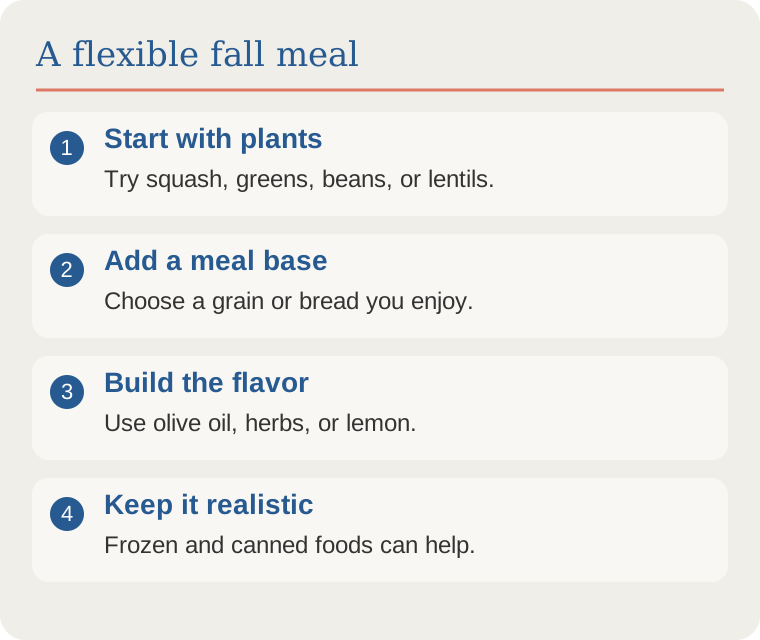
Keep one fallback dinner available, such as beans, frozen vegetables, and a pantry grain. For more meal partners, see our everyday protein food ideas. Choose one new combination this week and repeat the version your household enjoys. A dependable dinner earns its place through usefulness, not novelty.
About this article
This original GHAC article was inspired by Health.com’s early-fall Mediterranean food article by Jillian Kubala, RD.
Information here is educational and does not replace personalized medical advice.
Frequently asked questions
Do Mediterranean-style meals have to be salads?
No. Soups, warm grain bowls, beans with greens, and vegetable-based pasta dishes can fit the same broad eating pattern.
Do I need fresh figs or artichokes?
No. Those can be enjoyable choices, but affordable fruit, other vegetables, beans, and whole grains can help you build practical meals.
Can I use frozen vegetables?
Yes. Plain frozen vegetables are useful for quick meals. Follow cooking directions and compare sodium when choosing seasoned or sauced products.
What is the easiest way to start?
Choose one meal you already enjoy. Add a vegetable or beans, use a whole-grain option if you like it, and repeat what works for your household.
Keep the next step simple
Small, repeatable choices are often the ones that last. Explore the Health Blog for more everyday wellbeing reading, or visit the Fitness collection for apparel that celebrates movement in real life.
More everyday wellbeing reading

Ultra-Processed Foods: A Practical Everyday Guide
Understand ultra-processed foods, what research can and cannot tell us, and simple ways to make everyday meals work better for you.
Read article →
Lower-Sugar Fruits: Simple Choices for Everyday Eating
Enjoy fruit without turning it into a food rule. Explore lower-sugar choices, easy snack ideas, and what matters beyond sugar alone.
Read article →
Greek vs. Regular Yogurt: Protein, Cultures, and Choice
Compare Greek and regular yogurt for protein, live cultures, sugar, and everyday meals. A simple guide to choosing the tub that works for you.
Read article →